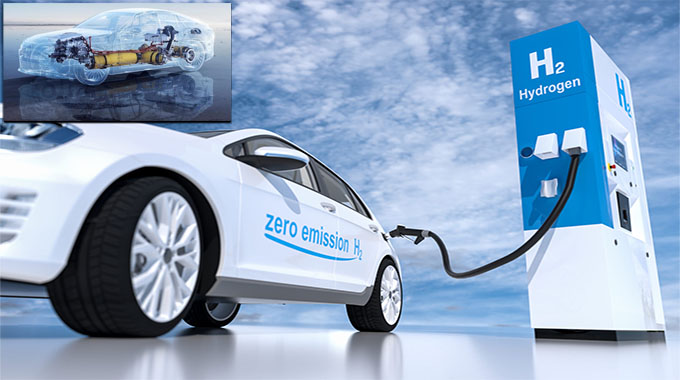
Harnessing the Future: The Promise and Potential of Fuel Cell Electric Vehicles (FCEVs)

In the rapidly evolving landscape of electric vehicles (EVs), one technology stands out for its innovative approach to sustainable and clean mobility—the Fuel Cell Electric Vehicle (FCEV). FCEVs represent a groundbreaking leap forward, leveraging hydrogen fuel cells to power vehicles and offering a glimpse into a future where emissions are a thing of the past. In this article, we delve into the intricacies of FCEVs, exploring their technology, advantages, and the role they play in reshaping the automotive industry.

Understanding the Core Technology: Hydrogen Fuel Cells

At the heart of every Fuel Cell Electric Vehicle lies the hydrogen fuel cell—a marvel of engineering that converts hydrogen gas into electricity through an electrochemical process. The key components include a fuel cell stack, which contains individual cells that facilitate the chemical reaction, and an electric motor that is powered by the generated electricity. Unlike traditional internal combustion engines, FCEVs emit only water …
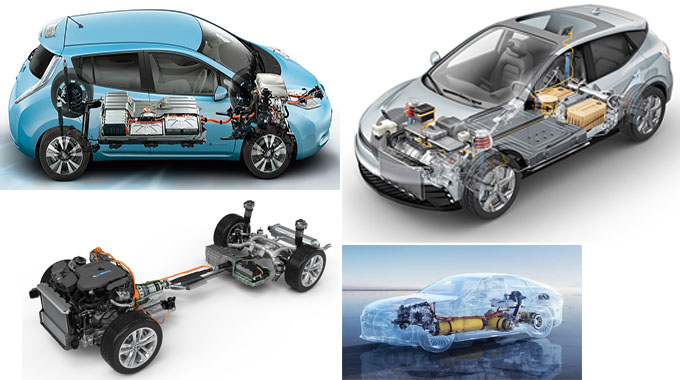
A Comprehensive Guide to Four Types of Electric Vehicles Transforming the Automotive Landscape

The automotive industry is undergoing a revolutionary transformation as electric vehicles (EVs) take center stage in the quest for sustainable and efficient transportation. Within the realm of electric cars, there are distinct categories, each harnessing unique technology to cater to diverse consumer needs. In this article, we explore the four primary types of electric vehicles: Battery Electric Vehicles (BEVs), Hybrid Electric Vehicles (HEVs), Plug-in Hybrid Electric Vehicles (PHEVs), and Fuel Cell Electric Vehicles (FCEVs).

Battery Electric Vehicles (BEVs): Driving Towards a Cleaner Future

Battery Electric Vehicles, or BEVs, are at the forefront of the electric revolution. These cars rely solely on electric power stored in high-capacity batteries. With no internal combustion engine, BEVs produce zero tailpipe emissions, making them a key player in reducing environmental impact. Popular models like the Tesla Model S, Nissan Leaf, and Chevrolet Bolt exemplify the advancements in battery technology, offering impressive ranges and efficient performance. …

New Innovations and Technologies Shaping the U.S. Automotive Industry

The automotive industry in the United States has always been at the forefront of innovation. From the mass production techniques pioneered by Henry Ford to the development of electric and autonomous vehicles, the industry continually pushes boundaries and brings new technologies to the market. In recent years, there have been several key innovations and technologies that are shaping the future of the U.S. automotive industry.

Electric Vehicles (EVs) Take the Center Stage

One of the most significant developments in the U.S. automotive industry is the rise of electric vehicles. As concerns about climate change and air pollution continue to grow, electric vehicles have gained popularity as an environmentally friendly alternative to traditional gasoline-powered cars. Major automakers have started investing heavily in electric vehicle technology and are now offering a wide range of EV models to the consumers.

The increasing accessibility of EV charging infrastructure across the country has further bolstered …

How Supply Chain Disruptions Are Affecting the U.S. Automotive Industry

The U.S. automotive industry is facing unprecedented supply chain disruptions that are impacting production schedules, pricing, and dealer incentives. The COVID-19 pandemic, semiconductor shortages, and weather events have exacerbated pre-existing supply chain vulnerabilities and challenges. In this article, we examine how supply chain disruptions are affecting the U.S. automotive industry and the steps being taken to mitigate the impacts.

COVID-19 Pandemic Impact

The COVID-19 pandemic has had a significant impact on the U.S. automotive industry, leading to temporary plant shutdowns, labor shortages, and reduced consumer demand. The pandemic has highlighted the fragility of the automotive supply chain, particularly the reliance on overseas sourcing, and the need for greater resilience and flexibility.

Automotive companies have had to implement health and safety protocols at their facilities, slowing down production cycles as each step of the process requires extra precautions. With the pandemic triggering sudden changes in customer behavior, automakers have also had …

Recent Mergers and Acquisitions Reshaping the U.S. Automotive Industry

The U.S. automotive industry has experienced a wave of mergers and acquisitions in recent years, reshaping the competitive landscape and driving significant changes across the sector. This article delves into the recent mergers and acquisitions in the U.S. automotive industry, analyzing their impact and implications for the industry players involved.

Consolidation and Strategic Alliances

The automotive industry has witnessed a series of high-profile mergers and acquisitions, driven by the strategic imperative to capture market share, gain access to new technologies, and achieve economies of scale. These transactions have not only reshaped the structure of the industry but have also led to the emergence of new market leaders and innovative collaborations.

Major automakers have engaged in strategic alliances and acquisitions to strengthen their positions in key markets and bolster their capabilities in emerging areas such as autonomous vehicles, electric mobility, and connected car technologies. The consolidation trend reflects the industry’s response …